If there's one thing there's no shortage of in Portugal, it's imagination when it comes to naming the wide variety of grape varieties that exist in the country, one of which is Padeiro. It was once called Padeiro de Basto, a name that was dropped so that it wouldn't be confused with the Basto sub-region. While we can easily understand the reason for the name Basto, since it was in this sub-region that most of the grape variety's vines were found, the origin of the name Padeiro is no longer so clear-cut, because while there are grape varieties in which the berries have such a large layer of bloom on the skin that it sometimes resembles flour, this is not the case with these grapes. We don't know if we'll ever know the origin of the name, but we feel privileged to be able to count on it to produce some of our wines.

The poor coloring of the must, by the standards of the most popular red Vinho Verde, made it a variety that was little used in the region, which led to a large decrease in the number of plants. At the end of the last century, the Direção Regional de Agricultura do Norte challenged the owner of Quinta da Raza, Diogo Teixeira Coelho, to plant some Padeiro vines, at the time "de Basto", in order to recover the variety, which was otherwise at serious risk of disappearing. The challenge was accepted and Quinta da Raza now has around one hectare of Padeiro.


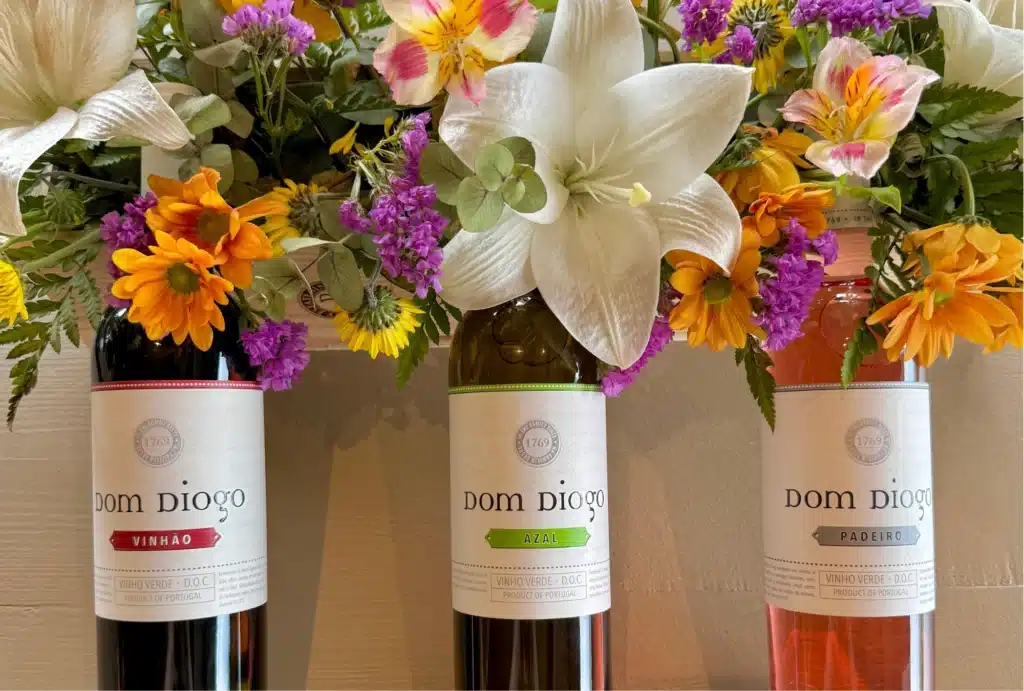
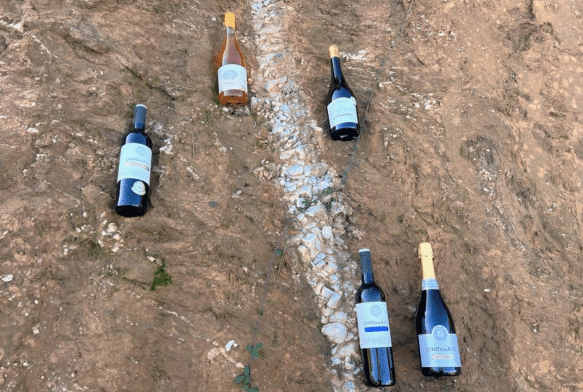
The project for this red grape variety was to vinify it as a rose wine and, after the first harvest, we quickly discovered that what it lacked in color it made up for in aroma and harmony. Aromas of raspberries and wild strawberries are some of the main characteristics of the wines from this variety, which is still bottled as a single varietal under the DOM DIOGO brand. O VINHO VERDE DOM DIOGO PADEIRO has been recognized several times and awarded prizes in various national and international competitions, and consumer acceptance has been excellent, which has led it to become a sales success.

The number of hectares has grown and, as far as Quinta da Raza is concerned, the grape variety has been maintained. Today it is used in more wines such as RAZA ROSE and RAZA PET-NAT ROSEand the aim is not to stop there and take the variety to new heights. Stay tuned, new challenges and new sensations await us.
Share this article