When we start a new wine year, we can never guess the date of the harvest, which usually takes place between August and October, depending on the year and the grape variety. The start is determined after a detailed analysis of ripeness and many considerations about the phenologicalstate of the grapes.
The grapes have to reach maturity. In general, it is estimated that it takes 100 days between the first flower appearing on the vine and the fruit ripening. However, many parameters such as sun exposure, altitude, the style of wine desired or the grape variety influence the ripeness of the grapes.
Controlling the ripeness of the grapes remains the cornerstone of setting the harvest date. It is a question of determining the optimum date based on physiological ripeness, which gives the degree/acidity balance, and phenolic ripeness, which determines the quality of coloring matter and tannins.
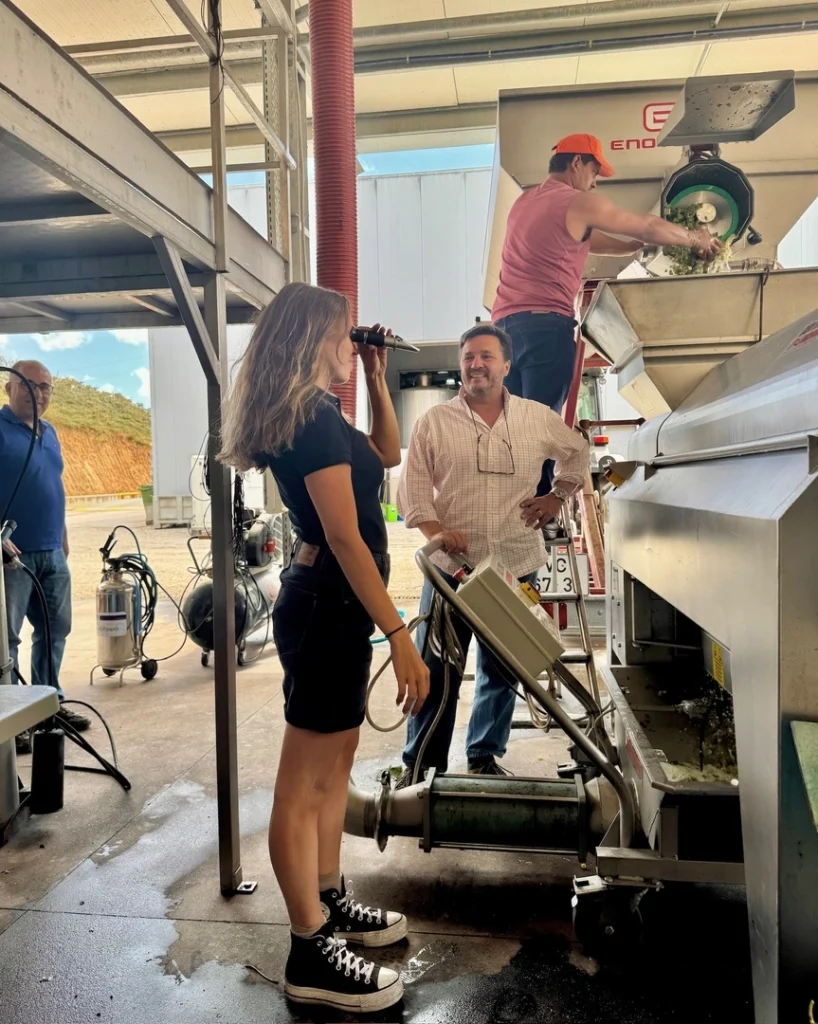
At Quinta da Raza, at regular intervals of several days, we randomly remove some berries from the bunches, crush them and collect the must which will be analyzed in a refractometer, giving us an indication of the potential alcoholic strength. These initial indications are complemented by laboratory analyses of pH, acidity, as well as tastings of the pulp and skins to assess phenolic maturity.
What is phenolic maturity? Phenolic maturity or phenolic ripeness refers to changes in grape phenols, compounds that include tannins, anthocyanins, flavonols and others that occur in the skin, seeds and stems of grapes. Phenolic compounds are important substances in oenology. They are responsible for the color and flavor ofwines and will play an important role in the consumer's perception of their quality.
The alignment of all these parameters signals the start of four weeks of hard work. The ripeness of each variety and each plot will determine the order of work. The grapes are then harvested into small boxes by experienced staff who are aware of the need to pick only those grapes with the potential to produce quality wine.
The boxes are quickly sent to the winery where they are anxiously awaited by a diligent and motivated team who hope, every year, to be able to transfer all the quality of the grapes they receive into wine. Between gentle pressings, racking and other pampering, the juice of the grapes is transformed into wine by the action of the yeasts. Everyone's work is frantic, but the atmosphere is one of mutual help and joy, and not even the few hours of sleep a day can discourage those who have a single goal: to do it well!
Fermentation ends between 15 and 30 days after the harvest and it is essential to bottle the different wines, from the various varieties and plots, so that no quality is lost over the next year.
Share this article