Tasting wine can be a bit daunting. Which method to choose? How to hold a glass of wine? What are the stages of tasting?
These are questions that many of us have when tasting a wine, but at the end of the day, it's not really complicated, you just have to trust your senses.
Wine tasting is a special moment. It's not just about drinking the wine; it's about having a conversation with the bottle. - Where did it come from? - What stories will its grapes tell me? - What memories will I keep from this experience?
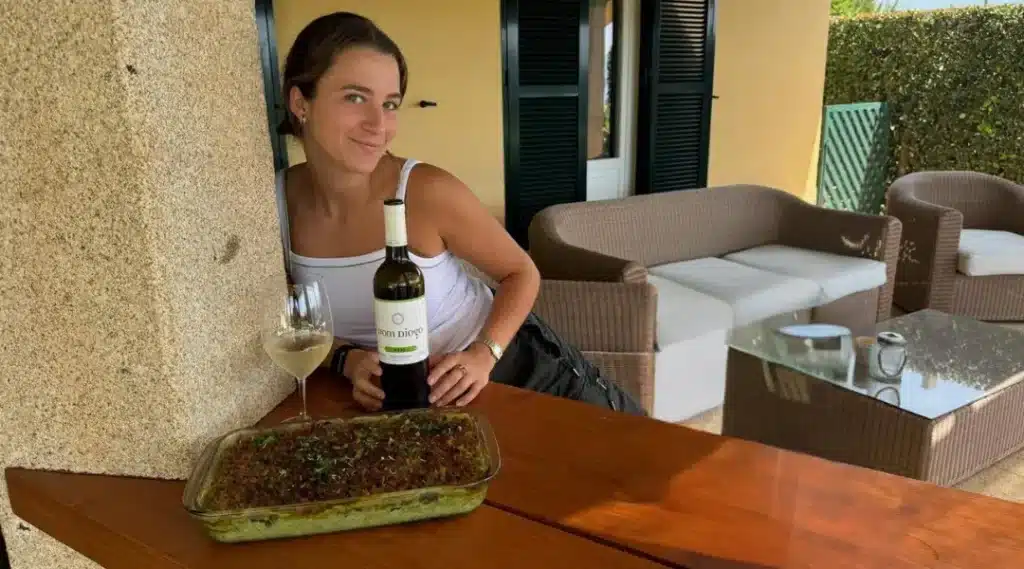
The place where you are going to taste should also complete the experience. If it's a casual tasting, the place should be well lit and at the right temperature, as far as possible you should avoid strong smells around as they can distort what you smell in the glass and if you can add to that a magnificent view, you'll certainly be in the right place to taste.
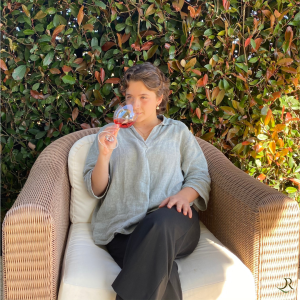
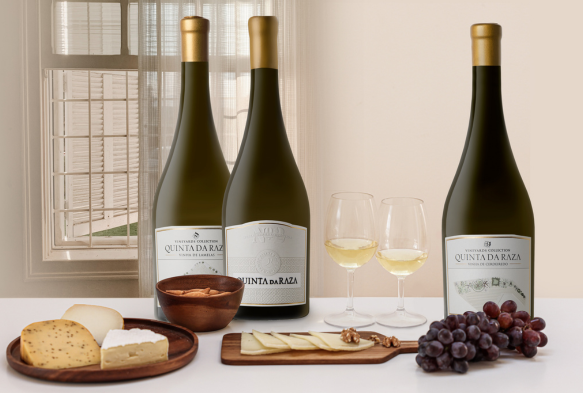
Also, choose the right glasses for your wine tasting. Tulip-shaped glasses are the most suitable and make sure you hold the glass properly during the tasting. Keep your hand positioned on the lower half of the foot of the glass so that you don't alter the characteristics of the wine, especially the temperature, with the heat of your hands.
Taking all of the above into account, to taste a wine you really just have to trust your senses.
The vision - The first step to tasting a wine well is to admire it.
Its clarity, transparency and color can indicate the type of wine you are tasting, its age and whether there is anything wrong with it.
The nose - second stage of the test.
It consists of smelling the wine and recognizing its aromas - an expression of the wine that is distinguished by a recognizable sensation.
The olfactory characteristics of wines give us an excellent idea of their origin, the grape varieties used, the quality and defects of the wine. The perception of quality varies from person to person and just because someone likes wines with tropical aromasdoesn't mean that a wine with mineral aromas isn't of high quality. Gently stir the wine to release the aromas that will concentrate in the glass and inhale.
The mouth - the third stage of the test.
It consists of tasting the wine. You can feel the aromatic presence of the wine in your mouth and even after swallowing. Humans have taste receptors in the taste buds and other areas, including the upper surface of the tongue and the epiglottis. Taste receptors detect the five tastes; sweetness, acidity, saltiness, bitterness and umami.
All these sensations are analyzed by our brain, which relates them to previous memories and this is how we can relate the aromas and flavors of wine to something we know, such as the smell and taste of fruit, the smell of gunpowder or even wet earth.
But always remember, although knowledge is a wonderful thing, the last thing you should worry about is being judged by the way you taste a wine. Just enjoy!
Share this article